

Stainless Steel Plate Weight Chart – Complete Guide for Accurate Calculation
February 20, 2026
Stainless Steel 405 Sheet Weight Chart, Specifications & Dimensional Guide
February 23, 2026
In case you are dealing with any engineering or construction project, a single error in the calculation of weight can lead to huge issues. And this is the reason why Tubes Weight Chart is so significant. You are a fabricator or contractor, engineer, supplier or buyer, knowing the right tube weight will make you plan better and you will not be able to lose money.
We will definitely discuss Tubes Weight Chart, Tubes Weight Chart In Kg and Tubes Weight Chart In MM in easy and simple language such that any person can easily understand them without any confusion.
What is a Tubes Weight Chart?
A Tubes Weight Chart is a data table that indicates the weight of tubes as dependent upon their outer diameter (OD), and wall thickness and occasionally length. You do not need to keep on calculating the weight each time, you can simply check the chart to obtain the weight per meter.
The chart usually includes:
- Outer Diameter (OD) in MM
- Wall Thickness in MM
- Weight Per Meter in KG
This simple structure helps engineers and buyers quickly select the right tube for their project.
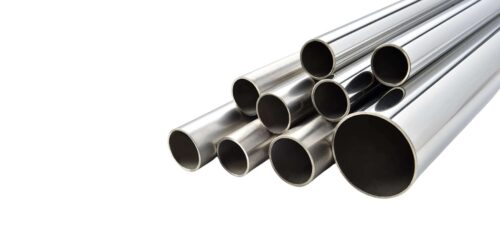
Understanding Tubes Weight Chart In Kg
Most industries measure tube weight in kilograms. That is why Tubes Weight Chart In Kg is commonly used. The weight is usually given in kilograms per meter (kg/m).
For example:
If a tube weighs 15 kg per meter and you order 200 meters, the total weight will be:
15 × 200 = 3000 kg
Now you can easily calculate:
- Total material weight
- Truck capacity required
- Crane lifting capacity
- Freight charges
Using Tubes Weight Chart In Kg helps you plan everything properly without guesswork.
Tube Weight Chart In Kg (Per Meter)
| OD (MM) | 2 MM | 3 MM | 4 MM | 5 MM | 6 MM | 8 MM | 10 MM | 12 MM | 14 MM | 16 MM |
|---|---|---|---|---|---|---|---|---|---|---|
| 20 | 0.89 | 1.28 | 1.66 | 2.01 | 2.34 | 2.95 | 3.48 | 3.94 | 4.34 | 4.67 |
| 25 | 1.15 | 1.67 | 2.17 | 2.65 | 3.11 | 3.98 | 4.79 | 5.55 | 6.25 | 6.89 |
| 32 | 1.50 | 2.20 | 2.87 | 3.51 | 4.13 | 5.31 | 6.41 | 7.46 | 8.45 | 9.38 |
| 38 | 1.80 | 2.65 | 3.46 | 4.24 | 5.00 | 6.44 | 7.78 | 9.06 | 10.28 | 11.44 |
| 40 | 1.92 | 2.83 | 3.69 | 4.52 | 5.32 | 6.85 | 8.28 | 9.64 | 10.94 | 12.17 |
| 50 | 2.42 | 3.60 | 4.73 | 5.81 | 6.85 | 8.83 | 10.69 | 12.47 | 14.17 | 15.79 |
| 65 | 3.20 | 4.77 | 6.29 | 7.76 | 9.18 | 11.90 | 14.46 | 16.93 | 19.32 | 21.63 |
| 75 | 3.70 | 5.52 | 7.28 | 8.98 | 10.63 | 13.79 | 16.76 | 19.62 | 22.37 | 25.02 |
| 80 | 3.95 | 5.90 | 7.79 | 9.62 | 11.41 | 14.84 | 18.07 | 21.19 | 24.21 | 27.12 |
| 90 | 4.45 | 6.65 | 8.79 | 10.87 | 12.89 | 16.79 | 20.48 | 24.06 | 27.53 | 30.90 |
| 100 | 4.95 | 7.40 | 9.79 | 12.13 | 14.42 | 18.83 | 22.99 | 27.03 | 30.95 | 34.70 |
| 110 | 5.45 | 8.15 | 10.80 | 13.38 | 15.89 | 20.77 | 25.39 | 29.88 | 34.24 | 38.48 |
| 125 | 6.20 | 9.30 | 12.32 | 15.28 | 18.18 | 23.75 | 29.03 | 34.17 | 39.16 | 43.96 |
| 140 | 6.95 | 10.45 | 13.85 | 17.18 | 20.42 | 26.73 | 32.71 | 38.54 | 44.21 | 49.72 |
| 150 | 7.45 | 11.18 | 14.82 | 18.37 | 21.84 | 28.52 | 34.87 | 41.06 | 47.09 | 52.85 |
| 160 | 7.95 | 11.93 | 15.79 | 19.56 | 23.23 | 30.31 | 37.03 | 43.58 | 49.95 | 56.15 |
| 175 | 8.95 | 13.43 | 17.77 | 21.99 | 26.09 | 34.09 | 41.73 | 49.20 | 56.48 | 63.58 |
| 200 | 9.95 | 14.95 | 19.84 | 24.62 | 29.29 | 38.36 | 47.02 | 55.48 | 63.75 | 71.51 |
| 225 | 11.20 | 16.82 | 22.31 | 27.68 | 32.93 | 43.28 | 53.18 | 62.88 | 72.37 | 81.65 |
| 250 | 12.45 | 18.71 | 24.85 | 30.86 | 36.74 | 48.19 | 59.18 | 69.90 | 80.14 | 89.88 |
| 275 | 13.70 | 20.59 | 27.40 | 34.05 | 40.55 | 53.11 | 65.17 | 76.91 | 88.32 | 99.28 |
| 300 | 14.95 | 22.46 | 29.86 | 37.11 | 44.19 | 58.03 | 71.33 | 84.32 | 96.26 | 107.98 |
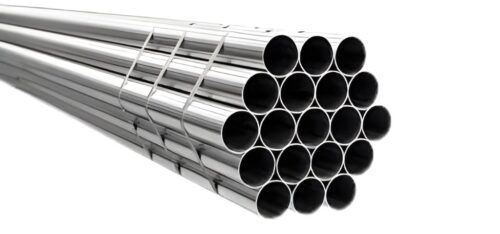
Importance of Tubes Weight Chart In MM
In engineering, precision matters. Tube sizes are normally measured in millimeters. So, a Tubes Weight Chart In MM provides exact measurements of:
- Outer Diameter (OD) in MM
- Wall Thickness in MM
- Weight in KG
Using millimeter measurements avoids confusion between inches and mm. It ensures that the selected tube fits perfectly in pipelines, structures, and machines.
For example:
- OD: 60 MM
- Thickness: 5 MM
- Weight: Specific KG per meter
This format makes selection simple and accurate.
Tube Weight Chart In MM – Extended Thickness Table
| OD (MM) | 18 MM | 20 MM | 22 MM | 25 MM | 28 MM | 30 MM |
| 100 | 38.30 | 41.76 | 45.07 | 49.76 | 54.02 | 57.86 |
| 125 | 48.56 | 52.96 | 57.16 | 63.14 | 68.59 | 73.52 |
| 150 | 58.36 | 63.62 | 68.63 | 75.78 | 82.29 | 88.15 |
| 200 | 78.97 | 86.13 | 92.99 | 102.76 | 111.70 | 119.75 |
| 250 | 99.28 | 108.35 | 117.08 | 129.55 | 140.97 | 151.35 |
| 300 | 119.31 | 130.25 | 140.80 | 155.94 | 169.80 | 182.41 |

How is Tube Weight Calculated?
Even though charts are available, understanding the basic calculation is helpful.
The general formula for steel tube weight per meter is:
Weight (kg/m) = (OD – Thickness) × Thickness × 0.02466
Where:
- OD = Outer Diameter in MM
- Thickness = Wall Thickness in MM
- 0.02466 = Constant value for steel
This formula gives an approximate weight. However, using a ready Tubes Weight Chart is much faster and safer.
For other materials like stainless steel or alloy steel, the constant value may slightly change due to density differences.
Materials Covered in Tubes Weight Chart
A Tubes Weight Chart can be used for different materials, such as:
- Stainless Steel Tubes
- Carbon Steel Tubes
- Alloy Steel Tubes
- Duplex Steel Tubes
- Copper Tubes
- Aluminum Tubes
Each material has a different density, so the weight will vary even if the size is the same.
Benefits of Using a Tubes Weight Chart
Using a Tubes Weight Chart offers many practical advantages:
1. Saves Time
You don’t need to calculate weight manually for every size.
2. Reduces Errors
Manual calculations can lead to mistakes. Charts give quick and accurate results.
3. Better Budget Planning
Knowing the exact weight helps you estimate total cost easily.
4. Easy Material Comparison
You can compare different thicknesses and sizes quickly.
5. Helpful for Bulk Orders
When ordering large quantities, weight calculation becomes simple and fast.
Industries That Depend on Tubes Weight Chart
Many industries regularly use Tubes Weight Chart In Kg and Tubes Weight Chart In MM:
- Oil and Gas Industry
- Petrochemical Plants
- Power Generation
- Construction Industry
- Shipbuilding
- Automotive Sector
- Fabrication Workshops
In these industries, accurate weight is important for safety and performance.
Common Mistakes to Avoid
While using a Tubes Weight Chart, avoid these common mistakes:
- Mixing inch and MM measurements
- Ignoring wall thickness
- Using wrong material density
- Not checking standard specifications
Always double-check OD and thickness in MM before finalizing your order.
Practical Example of Tube Weight Usage
Imagine you are building a pipeline project. You need 500 meters of carbon steel tubes.
If the Tubes Weight Chart In Kg shows 18 kg per meter:
Total weight = 18 × 500
Total weight = 9000 kg
Now you can:
- Plan transport vehicles
- Calculate loading capacity
- Estimate final project cost
This simple step avoids unexpected problems later.
Conclusion
A Tubes Weight Chart is more than just a table. It is a powerful tool that helps in planning, budgeting, transportation, and safety. Whether you are using Tubes Weight Chart In Kg for cost calculation or Tubes Weight Chart In MM for precise engineering measurements, it makes your work easier and more reliable.
Keeping a proper Tubes Weight Chart ready during your project ensures accuracy, saves time, reduces risk, and improves overall efficiency. If you work regularly with tubes, having a detailed weight chart is not optional – it is essential for smooth and successful project execution.