

Calculating carbon footprint for recycled product exports
January 30, 2026
Round Bar Weight Chart in Kg and Mm Explained with Examples
January 31, 2026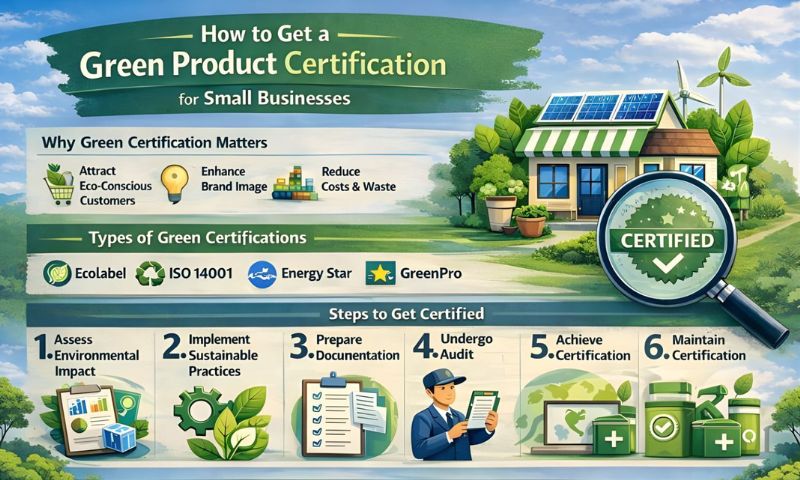
Sustainability has emerged as a major business concern, rather than a fleeting trend. The customers, investors, and governments of today’s world are increasingly demanding that businesses assume responsibility for their sustainability. For small businesses, the Green Product certification is one of the most effective ways to assume this responsibility. It not only authenticates the claims of small businesses regarding their eco-friendliness, but it also allows them to compete with bigger brands by aligning their products with the international sustainability standards and responsible purchasing decisions.
What Is a Green Product Certification?
Green Product Certification is a verification process that ensures a product meets certain environmental and sustainability standards. The standards include the evaluation of the whole life cycle of the product, from material extraction to the disposal of the product. The certification process involves the assessment of a product to ensure it does not harm the environment while still being of good quality. The Green Product Certification is an assurance that the environmental claims are valid and can be verified.

Why Green Certification Matters for Small Businesses
For small businesses, Green Product certification provides both tactical and strategic advantages. First, it is more appealing to consumers, businesses, and government contracts that focus on sustainability. It also enhances the image of the company’s brand by projecting it as responsible and visionary. Another advantage of green certification is that it can enhance efficiency in business operations by promoting the optimization of resources and the reduction of waste. In the long run, this results in cost savings and better integration into sustainable supply chains.
Types of Green Product Certifications Available
There is no single universal green certification. The right choice depends on your product type, industry, and target market.
Common Green Certifications to Consider
Some widely recognized certifications include:
- EcoLabel or EcoMark (product-specific environmental compliance)
- ISO 14001 (environmental management systems)
- Energy Star (energy-efficient products)
- GreenPro Certification (India-specific sustainability certification)
Each certification has its own scope, criteria, and audit process, so choosing the right one is crucial.
How to Select the Right Certification
Small businesses should evaluate:
- Industry relevance
- Certification recognition in target markets
- Cost and maintenance requirements
- Compliance feasibility
Selecting a certification aligned with your business goals ensures long-term value rather than short-term compliance.

Step-by-Step Process to Get Green Product Certification
While requirements vary, the certification process generally follows a structured path.
Step 1: Assess Your Product’s Environmental Impact
Start by analyzing your product’s lifecycle—from raw materials to disposal. Identify areas where you already meet green standards and where improvements are needed, such as reducing emissions, energy usage, or packaging waste.
Step 2: Implement Sustainable Practices
Before applying, make necessary changes like switching to eco-friendly materials, improving energy efficiency, reducing water consumption, or adopting waste management practices. Documentation of these efforts is essential.
Step 3: Prepare Documentation and Evidence
Most certifying bodies require detailed records, including:
- Material sourcing details
- Manufacturing process flow
- Environmental policies
- Test reports and compliance data
Proper documentation speeds up the approval process and reduces audit delays.
Step 4: Apply and Undergo Audit
Once you apply, the certification authority conducts an audit or product evaluation. This may include factory inspections, product testing, and compliance checks. Any non-conformities must be addressed before final approval.
Step 5: Certification Approval and Label Usage
After successful verification, you receive the certification and can legally use the green label on products, packaging, and marketing materials. Certifications usually require periodic renewal and compliance checks.
Challenges Small Businesses May Face
Expense, shortage of resources, and the consequent lack of technical knowledge are typical barriers. More importantly, several certification organizations provide low-cost programs, advice, and government-backed initiatives aimed at helping small and medium enterprises.
Tips to Make Certification Easier
- Start with one product instead of your entire range.
- Choose region-specific certifications to reduce costs.
- Train staff on sustainability practices.
- Maintain continuous compliance to avoid rework.
Conclusion: Turning Sustainability into Opportunity
Attaining a Green Product certificate goes beyond compliance with eco, friendly normsit signifies the creation of a resilient business capable of facing future challenges. On the part of small companies, going green fortified the trust and loyalty of those buyers who are socially responsible and thus, made a step of sustainable development. With the right strategy, adequacy in records, and an unwavering focus on the environment, even the tiniest business can accomplish and take advantage of green product certification.
For updates and additional information, follow on social media platforms.
Social Media: LinkedIn, Instagram, Facebook, Pinterest.