
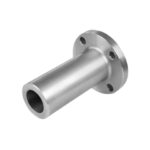
Stainless Steel Long Weld Neck Flanges Weight Chart: Sizes, Design, and Engineering Accuracy
June 17, 2026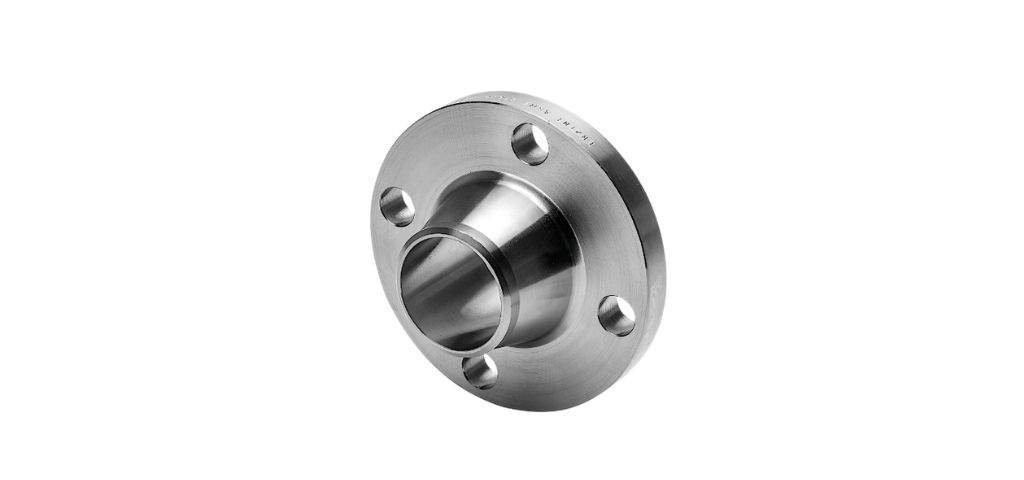
Weld Neck Flanges are one of the most widely used flange types in piping systems.They are intended to be used in high pressure and high temperature applications in which strength and reliability are valued. The long tapered hub of these flanges is beneficial in the distribution of stress and has been used in the critical industries such as oil and gas, petrochemical and power plants.
Through this blog, you will learn what Weld Neck Flanges are, benefits, uses of this type, and you will also have a clear Weld Neck Flanges Weight Chart in Kg and Weld Neck Flanges Weight Chart in MM to refer to easily.
What are Weld Neck Flanges?
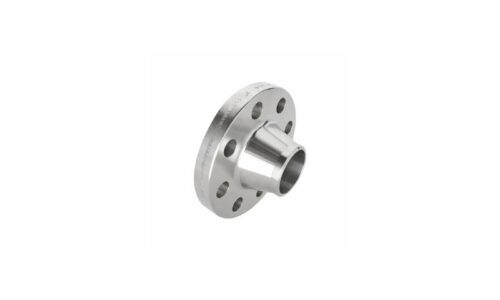
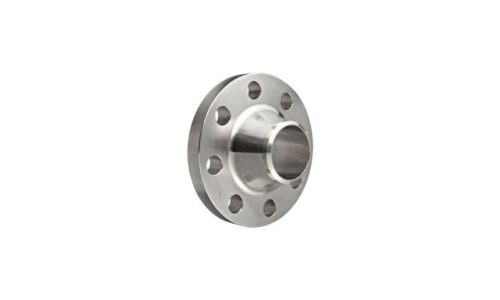
Weld Neck Flanges (WN Flanges) are pipe flanges, which are welded to the pipe. A long neck (hub) is developed to minimize stress concentration at the flange base. This renders them sturdier as opposed to other flange types.
Such flanges are normally applied in the critical systems, where safety and life span are highly regarded. Turbulence and erosion within the pipeline is also minimized by the smooth transition between the pipe and flange.
Key Features of Weld Neck Flanges
- Strong and durable design
- Suitable for high pressure and high temperature
- Long life with low maintenance
- Reduces stress concentration
- Easy to inspect using radiography
Applications of Weld Neck Flanges
Weld Neck Flanges are used in many industries, such as:
- Oil and Gas Industry
- Chemical Processing Plants
- Power Generation Plants
- Water Treatment Systems
- Shipbuilding Industry
Their strong structure makes them perfect for handling extreme conditions.
Weld Neck Flanges Weight Chart in Kg
| NOMINAL SIZE | DIMENSIONS | WEIGHT (KG) | ||||
| NPS(Inches) | DN (mm) | FLANGEMM | FLANGETHICKNESS | SOWSW | WN | BLIND |
| 1/2 | 15 | 88.9 | 11.2 | 0.4 | 0.5 | 0.4 |
| 3/4 | 20 | 98.6 | 12.7 | 0.6 | 0.7 | 0.6 |
| 1 | 25 | 108 | 14.2 | 0.8 | 1 | 0.9 |
| 1 1/4 | 32 | 117.3 | 15.7 | 1 | 1.3 | 1.2 |
| 1 1/2 | 40 | 127 | 17.5 | 1.3 | 1.7 | 1.5 |
| 2 | 50 | 152.4 | 19.1 | 2.1 | 2.6 | 2.4 |
| 2 1/2 | 65 | 177.8 | 22.4 | 3.3 | 4.1 | 3.9 |
| 3 | 80 | 190.5 | 23.9 | 3.9 | 4.9 | 4.9 |
| 3 1/2 | 90 | 215.9 | 23.9 | 4.8 | 6.1 | 6.2 |
| 4 | 100 | 228.6 | 23.9 | 5.3 | 6.8 | 7.0 |
| 5 | 125 | 254 | 23.9 | 6.1 | 8.6 | 8.6 |
| 6 | 150 | 279.4 | 25.4 | 7.5 | 10.6 | 11.3 |
| 8 | 200 | 342.9 | 28.4 | 12.1 | 17.6 | 19.6 |
| 10 | 250 | 406.4 | 30.2 | 16.5 | 24 | 28.6 |
| 12 | 300 | 482.6 | 31.8 | 26.2 | 36.5 | 43.2 |
| 14 | 350 | 533.4 | 35.1 | 34.6 | 48.4 | 58.1 |
| 16 | 400 | 596.9 | 36.6 | 44.8 | 60.6 | 76.1 |
| 18 | 450 | 635 | 39.6 | 48.9 | 68.3 | 93.7 |
| 20 | 500 | 698.5 | 42.9 | 61.9 | 84.5 | 122.0 |
| 24 | 600 | 812.8 | 47.8 | 86.9 | 115 | 185.0 |
Note: Weight may vary depending on material and standards.
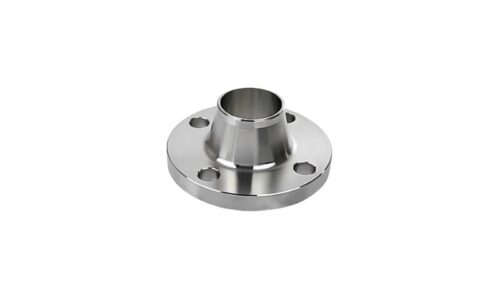
Weld Neck Flanges Weight Chart in MM
This table shows dimensions and approximate weights in metric sizes:
| Size (DN) | Outer Diameter (MM) | Thickness (MM) | Weight (Kg) |
| DN15 | 95 | 14 | 1.2 |
| DN25 | 115 | 16 | 2.0 |
| DN50 | 165 | 20 | 5.5 |
| DN80 | 200 | 24 | 9.0 |
| DN100 | 220 | 26 | 12.5 |
| DN150 | 285 | 30 | 20.0 |
| DN200 | 340 | 34 | 32.0 |
| DN250 | 405 | 38 | 45.0 |
These are general values and may differ based on standards like ANSI, ASME, or DIN.
Advantages of Using Weld Neck Flanges
The strength is one of the greatest benefits of Weld Neck Flanges. They are very supportive and minimize the possibility of failure due to the long neck design. They also fit the extreme conditions that the other flanges would not fit.
A second advantage is the free flow within the pipe that helps decrease pressure drop. This makes them low on power and durable.
Conclusion
Weld Neck Flanges are a robust and reliable option with regard to industrial piping systems. Their design assists in enhancing performance, safety and durability. These flanges are unbeatable regardless of whether you are operating in oil and gas or any other heavy industry.
The above Weld Neck Flanges Weight Chart in Kg and Weld Neck Flanges Weight Chart in MM will ensure you find the appropriate size and weight of the project with ease. It is always important to make sure that the standard and material used is the best in terms of results.
For updates and additional information, follow on social media platforms.
Social Media: LinkedIn, Instagram, Facebook, Pinterest.