

How AI Is Changing Scrap Metal Trading in 2026
January 1, 2026
Upcoming International Metal Trade Fairs 2026
January 2, 2026
The worldwide metal trade is in the new stage of development and evolution. Infrastructure investments, energy transformation, and facilitating digital trade make 2026 one of the rare opportunities that can be exploited by entrepreneurs and businesses intending to explore metal export market. Barriers to entry are reduced compared with earlier years, buyers can be accessed quicker and the demand around the globe is more diversified.
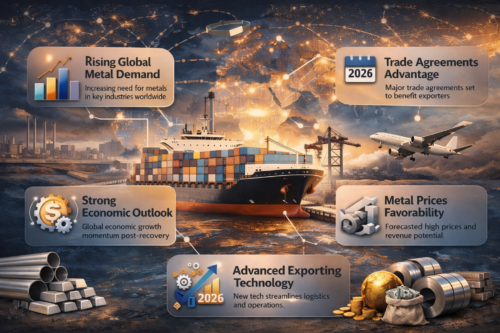
The following are five reasons as to why 2026 is the most suitable year to begin with a metal export business.
1. Well-Established and Heterogeneous International Demand.
The use of metal products in the world has remained in a steady demand beyond the normal construction and production. Sustained use of steel and other metals is fueled by infrastructure improvements, green energy sources, autopiloted cars and automation of industry.
As opposed to past cycles when demand was concentrated in a small number of regions, 2026 has geographic Asia, Middle East, Africa, and some of Latin America in the wider demand. This diversification eliminates reliance on one market and offers alternative entry points to new exporters to scale their business.
To exporters, this will imply the freedom to select target markets and means that they will not be at the mercy of regional slows.
2. Entry Barriers have been reduced in Digital Platforms.
It used to take extensive connections, foreign representatives and huge initial investment to start a business exporting metals. By 2026, the digital tools and B2B platforms have reduced these barriers by a huge margin.
New exporters are now able to find buyers, answer questions and even negotiate digitally- without physical offices in other countries. The AI-driven platforms assist in the matching process of suppliers and buyers relevant in a short time frame and enable even smaller exporters to compete with the long-standing players.
This digitally accessible feature enables the initiation of lean, test markets, and scaling things up as per actual demand.
3. Better Pricing Intelligence / Transparency.
Pricing uncertainty has always been one of the greatest problems facing new exporters. This is changing in 2026 with better availability of market data, pricing markers and demand indicators.
Digital tools currently combine trade data around the world, transportation trends, and past transactions to give exporters a better understanding of price. This openness minimizes the threats of underpricing or overcommitting and makes new entrants more confident when negotiating.
In the case of first-time exporters, improved pricing intelligence means improved margins and less expensive errors.
4. Efficient Trade and Logistical System.
The world logistics have also become better and more predictable than it was in the previous years of the decade. Digital scheduling, tracking and documentation of ports, shipping lines and freight operators are gaining more and more popularity.
Most nations also have made exportation processes much easier, introduced electronic-based documents, and enhanced customs clearance systems. These transformations minimize the delays and enable new exporters to find cross-border trade more convenient.
Exporters will be able to make shipments more efficiently, keep inventory under control, and make shipments with stricter schedules, which are vital to creating buyer trust in 2026.
5. Sustainability Is Bringing New Opportunities.
Sustainability is not required as a matter of compliance anymore; it is a competitive advantage. Buyers are also sharing inclination towards suppliers who can prove to do responsible sourcing, efficient logistics and reduce environmental impact.
This change is creating opportunities to new exporters who embrace sustainable practices at the onset. Through emphasis on transparency, traceability, and effective execution of operations, new business can easily match the changing demands as buyers advance compared to the old players who have their systems that have become outdated.
Sustainability-oriented exporters are accessing to international buyers and long-term contracts at a rapid rate in most instances.
Final Thoughts
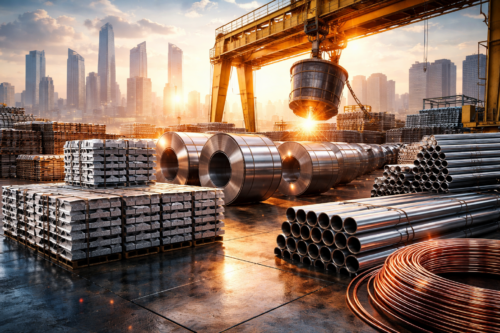
The bravery and dedication to venture into an export business of metals has always been a prerequisite – however, in 2026, the climate is more conducive than ever. The landscape has changed due to strong global demand, access to digital buyers, increased pricing intelligence, logistic ease of operation, and opportunities driven by sustainability.
Entrepreneurs who are ready to mingle industry expertise with the latest digital devices will find that the 2026 will not be a bad year to begin, but maybe a great year to begin. The exporters that would be acting at this time will be in a good position to expand with the new wave of global industries.
For updates and additional information, follow on social media platforms.