
Stainless Steel Sheet Weight Chart – Complete Guide for Accurate Calculation
February 19, 2026
Stainless Steel Plate Weight Chart – Complete Guide for Accurate Calculation
February 20, 2026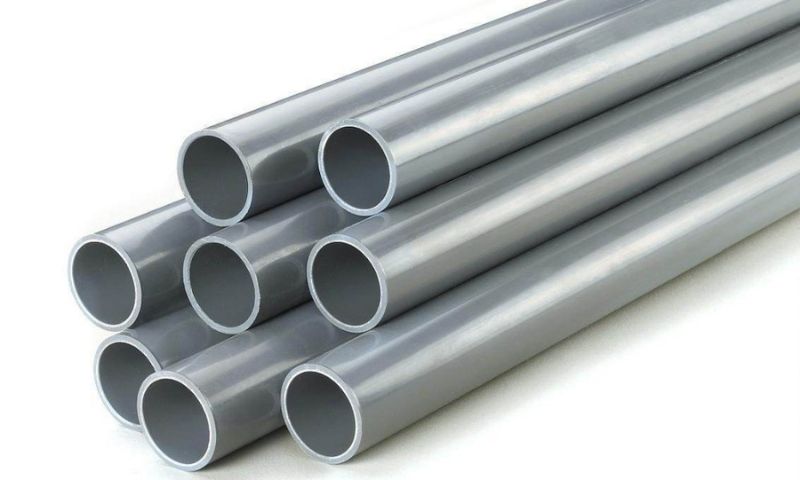
Pipes are used in the industries, construction works as well as domestic plumbing.They are designed to transport water, gas, oil, and other fluids efficiently and safely. A selection of the appropriate pipe requires taking into account the material, size, thickness and weight of a pipe. This is where a Pipes Weight Chart in Kg, Pipes Weight Chart in MM or merely a Pipes Weight Chart will come in handy as an important tool to the engineers, contractors and buyer.
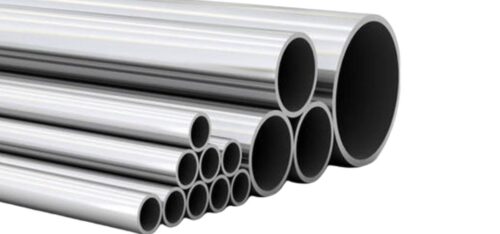
What is a Pipes Weight Chart?
The Pipes Weight Chart is a reference table, which gives the weight of pipes depending on their diameter, wall thickness, and the type of material. The chart has an estimation of the weight in kilograms (Pipes Weight Chart in Kg) and the dimensional accuracy in millimeters (Pipes Weight Chart in MM). Proper planning of transportation, storage and installation is done by use of these charts. In the case of businesses, it aids it in cost estimation and wastage prevention.
Why Understanding Pipe Weight is Important
Knowing the weight of pipes is essential for several reasons:
1 Safe Transportation and Handling -The heavy pipes must be lifted using appropriate equipment. To ensure safety in transportation, it is recommended to consult the Pipes Weight Chart in Kg, which will allow selecting the appropriate cranes, forklifts, or trolleys.
2 Structural Support Requirements – Pipes mounted on ceilings or elevated platforms need adequate support. Using weight charts prevents overloading and structural failures.
3 Accurate Cost Calculation – A large number of suppliers provide on a weight basis. Pipes Weight Chart enables B2B buyers to make the right estimation of the material costs.
4 Compliance with Industry Standards – Various industries have standards for pipe dimensions and weight. Using the correct Pipes Weight Chart in MM ensures compliance with safety and engineering norms.
Pipes Dimensions Chart
| NPS | Outside Diameter | Nominal Wall Thickness | ||||||||
| Designator | in. | mm | Schedule 5S | Schedule 10S | Schedule 40S | Schedule 80S | ||||
| in. | mm | in. | mm | in. | mm | in. | mm | |||
| 1/8 | 0.41 | 10.29 | … | … | 0.049 | 1.24 | 0.068 | 1.73 | 0.095 | 2.41 |
| 1/4 | 0.54 | 13.72 | … | … | 0.065 | 1.65 | 0.088 | 2.24 | 0.119 | 3.02 |
| 3/8 | 0.68 | 17.15 | … | … | 0.065 | 1.65 | 0.091 | 2.31 | 0.126 | 3.2 |
| 1/2 | 0.84 | 21.34 | 0.065 | 1.65 | 0.083 | 2.11 | 0.109 | 2.77 | 0.147 | 3.73 |
| 3/4 | 4.05 | 26.67 | 0.065 | 1.65 | 0.083 | 2.11 | 0.113 | 2.87 | 0.154 | 3.91 |
| 1 | 1.32 | 33.4 | 0.065 | 1.65 | 0.109 | 2.77 | 0.133 | 3.38 | 0.179 | 4.55 |
| 1 1/4 | 1.66 | 42.16 | 0.065 | 1.65 | 0.109 | 2.77 | 0.14 | 3.56 | 0.191 | 4.85 |
| 1 1/2 | 1.90 | 48.26 | 0.065 | 1.65 | 0.109 | 2.77 | 0.145 | 3.68 | 0.2 | 5.08 |
| 2 | 2.38 | 60.33 | 0.065 | 1.65 | 0.109 | 2.77 | 0.154 | 3.91 | 0.218 | 5.54 |
| 2 1/2 | 2.88 | 73.03 | 0.083 | 2.11 | 0.12 | 3.05 | 0.203 | 5.16 | 0.276 | 7.01 |
| 3 | 3.50 | 88.9 | 0.083 | 2.11 | 0.12 | 3.05 | 0.1216 | 5.49 | 0.3 | 7.62 |
| 3 1/2 | 4.00 | 101.6 | 0.083 | 2.11 | 0.12 | 3.05 | 0.226 | 5.74 | 0.318 | 8.08 |
| 4 | 4.50 | 114.3 | 0.083 | 2.11 | 0.12 | 3.05 | 0.237 | 6.02 | 0.337 | 8.56 |
| 5 | 5.56 | 141.3 | 0.10*9 | 2.77 | 0.134 | 3.4 | 0.258 | 6.55 | 0.375 | 9.52 |
| 6 | 6.63 | 168.28 | 0.10*9 | 2.77 | 0.134 | 3.4 | 0.28 | 7.11 | 0.432 | 10.97 |
| 8 | 8.63 | 219.08 | 0.109 | 2.77 | 0.148 | 3.76 | 0.322 | 8.18 | 0.5 | 12.7 |
| 10 | 10.75 | 273.05 | 0.134 | 3.4 | 0.165 | 4.19 | 0.365 | 9.27 | 0.5 | 12.7 |
| 12 | 12.75 | 323.85 | 0.156 | 3.96 | 0.18 | 4.57 | 0.375 | 9.52 | 0.5 | 12.7 |
| 14 | 14.00 | 355.6 | 0.156 | 3.96 | 0.188 | 4.78 | … | … | … | … |
| 16 | 16.00 | 406.4 | 0.165 | 4.19 | 0.188 | 4.78 | … | … | … | … |
| 18 | 18.00 | 457.2 | 0.165 | 4.19 | 0.188 | 4.78 | … | … | … | … |
| 20 | 20.00 | 508 | 0.188 | 4.78 | 0.188 | 4.78 | … | … | … | … |
| 22 | 22.00 | 558.8 | 0.188 | 4.78 | 0.218 | 5.54 | … | … | … | … |
| 24 | 24.00 | 609.6 | 0.218 | 5.54 | 0.25 | 6.35 | … | … | … | … |
| 30 | 30.00 | 762 | 0.25 | 6.35 | 0.312 | 7.92 | … | … | … | … |
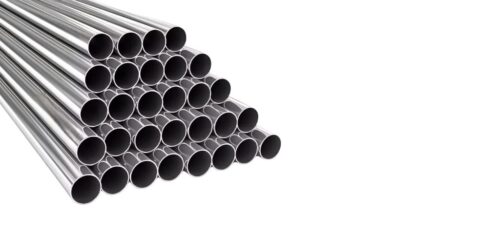
How to Read a Pipes Weight Chart
A typical Pipes Weight Chart in Kg provides:
- Nominal Pipe Size (NPS): Indicates the standard diameter of the pipe.
- Wall Thickness (Schedule Number): Refers to the pipe’s wall thickness for steel pipes.
- Weight per Meter: Shows the weight of one meter of the pipe in kilograms.
For example, a steel pipe with a 50 mm diameter and 5 mm wall thickness may weigh approximately 4.9 kg per meter. Similarly, a Pipes Weight Chart in MM provides the outer diameter and wall thickness in millimeters, helping engineers plan the layout and installation accurately.
When using a weight chart, consider:
- The type of material (steel, PVC, copper, stainless steel, etc.)
- Nominal pipe size and wall thickness
- Total length of the pipe required for the project
Different Types of Pipes and Their Uses
1. Steel Pipes
Steel pipes find wide application in industry, transportation of oil and gas, and in construction works. They can withstand high pressure and are highly tough. The Pipes Weight Chart in Kg is normally used to measure heavier steel pipes to organize the handling and transportation.
2. PVC Pipes
PVC pipes are light and not corrosive and they are normally applied in water supply and drainage systems. With reference to PVC pipes a Pipes Weight Chart in MM will be taken as a reference in order to find the specific outward diameter and the wall thickness needed in order to fit the pipe in a particular usage.
3. Copper Pipes
Plumbing and HVAC systems that use copper pipes are preferred because they are resistant to corrosion and also because they are thermal conductive. Their weight per meter will be known to ensure there is safety in the installation and that there will be no overloading in the structure.
4. Stainless Steel Pipes
Food processing, chemical, and pharmaceutical industries are some of the industries that use stainless steel pipes because of their corrosion resistance and durability. Pipes Weight Charts are frequently used by buyers to make exact orders and prevent situations when there is a surplus of goods.
5. Composite and Plastic Pipes
Composite and reinforced plastic pipes are also used in industries today. Although these pipes are less heavy than steel, weight charts can also be used to plan on transportation and storage particularly in bulk orders.
Pipes Weight Chart in Kg
| NB (mm) | Inches | O.D (mm) | Sch 5S (mm / Kg/m) | Sch 10S (mm / Kg/m) | Sch 40S (mm / Kg/m) | Sch 80S (mm / Kg/m) | Sch 160S (mm / Kg/m) | Sch XXS (mm / Kg/m) |
| 3 | 1/8 | 10.3 | 1.24 / 0.28 | 1.24 / 0.28 | 1.73 / 0.37 | 2.41 / 0.47 | – | – |
| 6 | 1/4 | 13.7 | 1.24 / 0.39 | 1.65 / 0.49 | 2.24 / 0.63 | 3.02 / 0.80 | – | – |
| 10 | 3/8 | 17.1 | 1.24 / 0.49 | 1.65 / 0.63 | 2.31 / 0.85 | 3.20 / 1.10 | – | – |
| 15 | 1/2 | 21.3 | 1.65 / 0.80 | 2.11 / 1.00 | 2.77 / 1.27 | 3.75 / 1.62 | 4.75 / 1.94 | 7.47 / 2.55 |
| 20 | 3/4 | 26.7 | 1.65 / 1.03 | 2.11 / 1.28 | 2.87 / 1.68 | 3.91 / 2.20 | 5.54 / 2.89 | 7.82 / 3.63 |
| 25 | 1 | 33.4 | 1.65 / 1.30 | 2.77 / 2.09 | 3.38 / 2.50 | 4.55 / 3.24 | 6.35 / 4.24 | 9.09 / 5.45 |
| 32 | 1 1/4 | 42.2 | 1.65 / 1.65 | 2.77 / 2.70 | 3.56 / 3.38 | 4.85 / 4.47 | 6.35 / 5.61 | 9.70 / 7.77 |
| 40 | 1 1/2 | 48.3 | 1.65 / 1.91 | 2.77 / 3.11 | 3.68 / 4.05 | 5.08 / 5.41 | 7.14 / 7.25 | 10.16 / 9.54 |
| 50 | 2 | 60.3 | 1.65 / 2.40 | 2.77 / 3.93 | 3.91 / 5.44 | 5.54 / 7.48 | 8.74 / 11.10 | 11.07 / 13.44 |
| 65 | 2 1/2 | 73.0 | 2.11 / 3.69 | 3.05 / 5.26 | 5.16 / 8.63 | 7.01 / 11.40 | 9.53 / 14.90 | 14.2 / 20.39 |
| 80 | 3 | 88.9 | 2.11 / 4.51 | 3.05 / 6.45 | 5.49 / 11.30 | 7.62 / 15.20 | 11.10 / 21.30 | 15.24 / 27.65 |
| 100 | 4 | 114.3 | 2.11 / 5.84 | 3.05 / 8.36 | 6.02 / 16.07 | 8.56 / 22.30 | 13.49 / 33.54 | 17.12 / 41.03 |
| 125 | 5 | 141.3 | 2.77 / 9.47 | 3.40 / 11.57 | 6.55 / 21.80 | 9.53 / 31.97 | 15.88 / 49.11 | 19.05 / 57.43 |
| 150 | 6 | 168.3 | 2.77 / 11.32 | 3.40 / 13.84 | 7.11 / 28.30 | 10.97 / 42.70 | 18.20 / 67.56 | 21.95 / 79.22 |
| 200 | 8 | 219.1 | 2.77 / 14.79 | 3.76 / 19.96 | 8.18 / 42.60 | 12.70 / 64.60 | 23.00 / 111.20 | 22.23 / 107.80 |
| 250 | 10 | 273.1 | 3.40 / 22.63 | 4.19 / 27.78 | 9.27 / 60.50 | 12.70 / 96.00 | 28.60 / 172.40 | 25.40 / 155.15 |
| 300 | 12 | 323.9 | 3.96 / 31.25 | 4.57 / 36.00 | 9.52 / 73.88 | 12.70 / 132.00 | 33.32 / 238.76 | 25.40 / 186.97 |
| 350 | 14 | 355.6 | 3.96 / 34.36 | 4.78 / 41.30 | 11.13 / 94.59 | 19.05 / 158.08 | 35.71 / 281.70 | – |
| 400 | 16 | 406.4 | 4.19 / 41.56 | 4.78 / 47.29 | 12.70 / 123.30 | 21.41 / 203.33 | 40.46 / 365.11 | – |
| 450 | 18 | 457.2 | 4.19 / 46.80 | 4.78 / 53.42 | 14.27 / 155.80 | 23.80 / 254.36 | 45.71 / 466.40 | – |
| 500 | 20 | 508.0 | 4.78 / 59.25 | 5.54 / 68.71 | 15.09 / 183.42 | 26.19 / 311.20 | 49.99 / 564.68 | – |
| 600 | 24 | 609.6 | 5.54 / 82.47 | 6.35 / 94.45 | 17.48 / 255.41 | 30.96 / 442.08 | 59.54 / 808.22 | – |
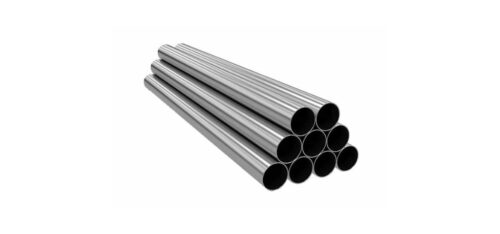
Benefits of Using a Pipes Weight Chart
- Efficient Project Planning: Engineers can calculate the total weight and dimensions of pipes needed for construction or industrial projects.
- Cost Savings: Accurate weight data prevents over-ordering and reduces material wastage.
- Enhanced Safety: Knowing the weight of pipes ensures proper handling, reducing accidents on-site.
Simplified Logistics: Transporting heavy pipes requires careful planning. Weight charts make logistics straightforward.
Example of Using a Pipes Weight Chart
Imagine a construction project requiring 100 meters of 50 mm steel pipes. By referring to a Pipes Weight Chart in Kg, you find that each meter weighs 4.9 kg. Multiplying the weight per meter by the total length gives the total weight:
4.9 kg/m×100 m=490 kg4.9 \text{ kg/m} \times 100 \text{ m} = 490 \text{ kg}4.9 kg/m×100 m=490 kg
This helps in arranging the right transport and manpower to move and install the pipes safely.
Conclusion
A Pipes Weight Chart is an essential tool for engineers, contractors, and B2B buyers. Whether using a Pipes Weight Chart in Kg for weight estimation, a Pipes Weight Chart in MM for dimensional accuracy, or a general Pipes Weight Chart, these references simplify planning, reduce costs, and enhance safety.
Understanding pipe weight and dimensions ensures that projects run smoothly, from procurement to installation. For industrial or construction applications, a reliable Pipes Weight Chart is not just useful—it’s indispensable.