
Ultimate Power Guide to Hex Flange Nuts Weight Chart for Precision Fastening
April 10, 2026
High-Performance Square Thin Nuts for Secure & Reliable Fastening
April 11, 2026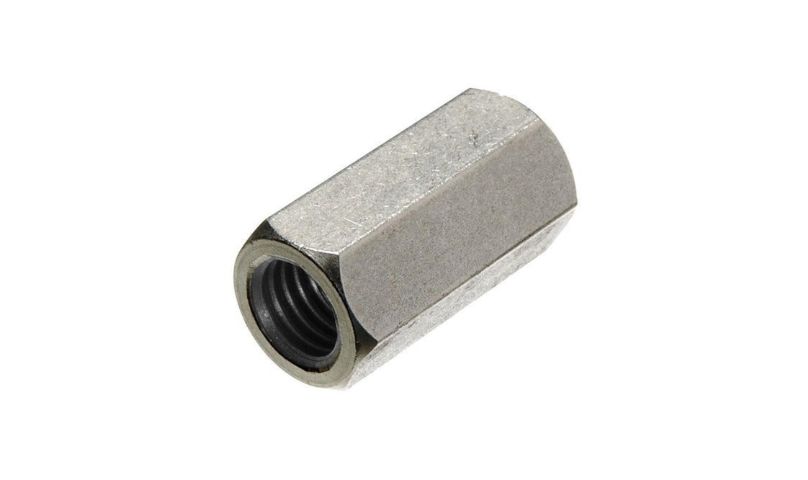
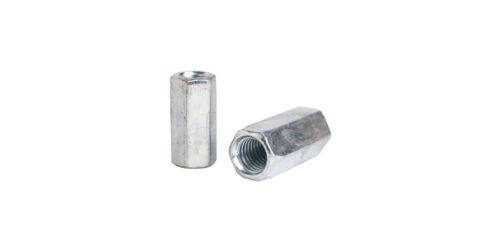
Hex coupling nuts are common fastening elements that serve to join two threaded pipes or rods together. The weight of these nuts in most industries is as important as the size and material of the nuts. Right hex coupling nut weight chart assists the engineer, purchasers and manufacturers in selecting the appropriate product to use in their applications without compromising safety or efficiency.
What Are Hex Coupling Nuts?
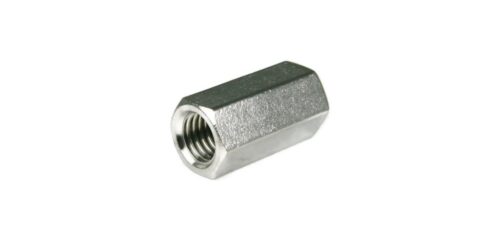
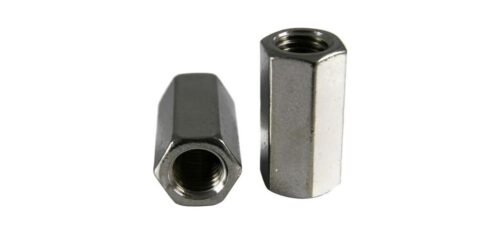
Hex coupling nuts are long, hex-shaped fasteners which offer good thread engagement. They are usually utilized in construction, mechanical assemblies and piping systems where long connections are needed. These nuts come in various materials like stainless steel, carbon steel and alloy steel and are therefore fit to be used both indoors and outdoors.
They can be easily installed with regular tools, and their strength will guarantee a long lifespan even when under heavy load. Due to these characteristics, they are believed to be a crucial component of most industrial projects.
Hex Coupling Nuts Materials / Grades
| Materials | Grades |
| Stainless Steel | ASTM / ASME SA 312 GR. TP 304, 304L, 304H, 309S, 309H, 310S, 310H, 316, 316TI, 316H, 316LN, 317, 317L, 321, 321H, 347, 347H, 904L |
| High Tensile | 8.8, 10.9, 12.9, 14.9 |
| Duplex Steel | UNS NO S31803, S32205, S32550, S32750, S32760 |
| Alloys Steel | ASTM / ASME A/SA 193 / 194 – B6, B7, B7M, B16, 2, 2HM, 2H, GR 6, B7, B7M |
| Nickel Alloys | Nickel Alloys 200, Nickel Alloys 201 |
| Hastelloy | Hastelloy C-22, Hastelloy C-276, Hastelloy C-2000, Hastelloy C-4, Hastelloy X, Hastelloy B, Hastelloy N, Hastelloy G |
| Inconel | Inconel 600, Inconel 601, Inconel 625, Inconel 625LCF, Inconel 686, Inconel 718, Inconel 800, Inconel 825, Inconel X-750, Inconel 690, Inconel 602, Inconel 617, Inconel 925, Inconel A-289, Inconel AL-6XN, AL-904L |
Importance of Hex Coupling Nuts Weight Chart
The hex coupling nut weight chart is an important factor in industrial planning and execution. It gives the correct information on the weight of various sizes of coupling nuts which will assist professionals in making better decisions. The right weight will be crucial in terms of load calculations, transportation planning, and cost estimation.
Small differences in weight can affect the performance and costs in large-scale projects. This is the reason why using a trusted-Hex Coupling Nuts Weight Chart will guarantee that the fasteners chosen are both technical and economical.
Hex Coupling Nuts Weight Chart
| Size (Metric) | Length (mm) | Across Flats (mm) | Weight (kg per 100 pcs) |
| M6 | 18 | 10 | 0.40 |
| M8 | 24 | 13 | 0.80 |
| M10 | 30 | 17 | 1.50 |
| M12 | 36 | 19 | 2.40 |
| M16 | 48 | 24 | 4.80 |
| M20 | 60 | 30 | 8.50 |
| M24 | 72 | 36 | 14.00 |
| M30 | 90 | 46 | 25.00 |
Applications of Hex Coupling Nuts
The versatility and strength of the hex coupling nuts are also employed in many industries. They are widely used in construction projects where tough links between threaded rods are needed. They are also used in piping to connect pipes together in order to make sure that their performance is leak-free.
They find extensive applications as well in automotive and machine applications where durability and precision are imperative. Also, other industries like oil and gas, power plants and development of infrastructure depend on the use of these fasteners to ensure safe and durable connections.
Hex Coupling Nuts Weight Chart In MM
| Thread Size (mm) | Length (mm) | Across Flats (mm) | Approx Weight (kg/100 pcs) |
| M6 | 18 | 10 | 0.40 |
| M8 | 24 | 13 | 0.80 |
| M10 | 30 | 17 | 1.50 |
| M12 | 36 | 19 | 2.40 |
| M14 | 42 | 22 | 3.50 |
| M16 | 48 | 24 | 4.80 |
| M18 | 54 | 27 | 6.50 |
| M20 | 60 | 30 | 8.50 |
| M22 | 66 | 32 | 11.00 |
| M24 | 72 | 36 | 14.00 |
| M27 | 81 | 41 | 19.50 |
| M30 | 90 | 46 | 25.00 |
Factors Affecting the Weight of Hex Coupling Nuts
The hex coupling nut’s weight is dependent on various factors. One of the most significant factors is the material used because stainless steel and alloy steel can be of varying density. The weight of the nut is also directly proportional to its size and length, where the bigger and longer the nut is, the higher the weight of the nut.
The manufacturing standard, e.g. DIN or ASTM standard, is another factor that may slightly change the dimensions and weight. Variations may also be caused by thread design and pitch. The knowledge of these factors aids in choosing the best nut to be used in particular applications.
Benefits of Using Accurate Weight Charts
- Helps in precise material planning
- Reduces wastage and extra cost
- Improves project efficiency
- Ensures compliance with industry standards
Conclusion
Hex coupling nuts are a key element in the world of industry and building projects. Their capability to offer robust and effective connectivity renders them very useful. A good Hex Coupling Nuts Weight Chart is significant in ensuring proper choice, handling and cost efficiency of the loads.
Buyers and engineers can make smart choices by taking into account such aspects as material, size, and application, which can enhance the overall performance of the project. In small installations or large infrastructure projects, the correct use of the Hex Coupling Nuts weight chart is safe, effective and leads to success over the long term.