
The Complete Hex Bolts Weight Chart Guide: Dimensions, Weights, and PDFs
April 6, 2026
Countersunk Bolt Weight Chart: Accurate Sizes, Weights & Specifications
April 7, 2026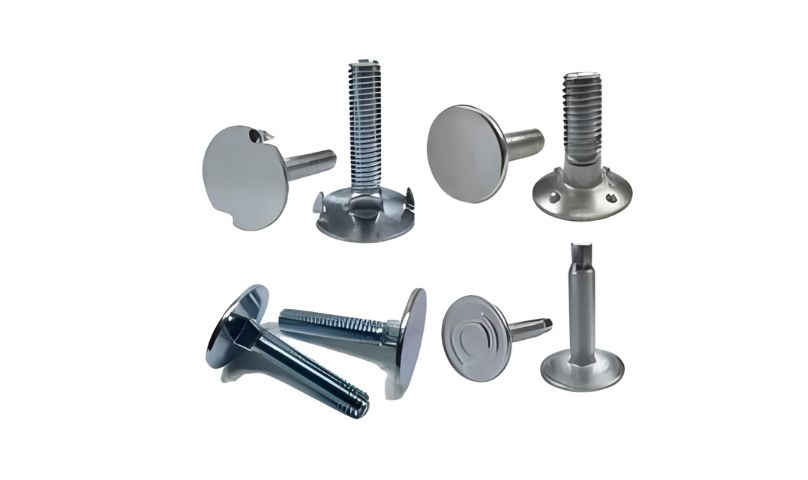
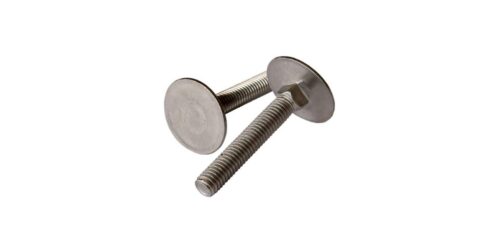
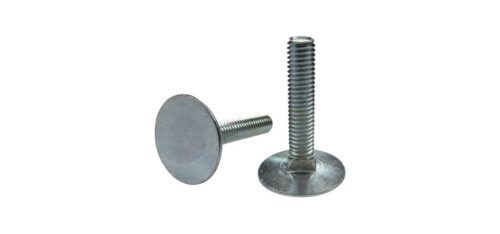
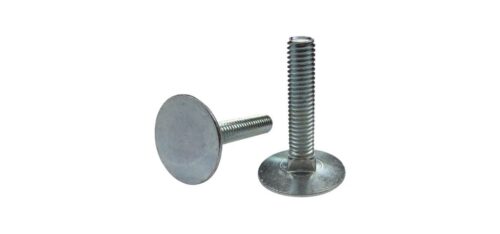
Elevator bolts are a specific form of bolts that are commonly used in conveyor systems, elevator assembly, machinery and heavy-duty fastenings. Elevator bolts are large (compared to normal hex bolts) with a flat head of large size, having a square or rounded underside; this enables even weight distribution and provides a secure fastening to soft substances like wood, conveyor belts or rubber.
It is important to know their dimensions, type of thread, and weight to the engineers, technicians, and purchasing teams. You can use the weight of elevator bolts in kg or lbs to aid in logistics, safety, and loads whether you are designing a conveyor system, replacing bolts in an elevator, or making bulk orders.
What Are Elevator Bolts?
Elevator bolts are a highly important element in heavy-duty use, whether in conveyor systems and elevator systems or in machinery and agricultural equipment. Engineers, technicians, and procurement teams need to know their dimensions, type of thread, and weight to achieve correct distribution of loads, mechanical stability, and safety.
Elevator bolts are typified by:
- Flat head is large: It prevents pull-through and evenly divides the load.
- Square neck or threaded shaft: Prevents spinning of bolt during tightening.
- Full or partial threads: According to the needs of the application.
Key benefits:
- Extra strength in heavy duty use.
- Perfect in conveyor belts, elevators and wood fittings.
- Can be installed easily, because of the flat head.
The weight of these bolts is known and enables engineers to determine shipping, material prices and mechanical loads in a more accurate manner.
Why Elevator Bolt Weight Matters
Weight is an important factor in: Elevator bolts are typically applied in a mechanically loaded system, therefore, weight is a major factor.
- Load Calculations – The weight of bolts in general can influence the overall mechanical load; particularly, in large conveyor systems.
- Material Planning – Procurement and bulk ordering require estimation of weights.
- Safety Concerns – Fasteners may fail structurally due to overloading or underestimation.
An elaborate weight chart enables engineers to make wise choices when choosing bolts to certain works.
Elevator Bolts Weight Chart: Sizes, Dimensions, and Weights
Elevator bolts are also common in conveyors, elevators, and machinery, and the large flat head is the best in holding soft materials such as wood, rubber, or conveyor belts. To make the right selection of an elevator bolt, knowledge of the thread length, head diameter, shank diameter, and weight per piece and in bulk are required.
| Bolt Size (mm) | Thread Length (mm) | Head Diameter (mm) | Approx Weight (kg/piece) | Weight for 100 pcs (kg) |
| M6 | 20 | 18 | 0.015 | 1.50 |
| M6 | 30 | 18 | 0.020 | 2.00 |
| M6 | 40 | 18 | 0.025 | 2.50 |
| M8 | 30 | 24 | 0.035 | 3.50 |
| M8 | 40 | 24 | 0.045 | 4.50 |
| M8 | 50 | 24 | 0.050 | 5.00 |
| M10 | 50 | 30 | 0.085 | 8.50 |
| M10 | 60 | 30 | 0.100 | 10.0 |
| M12 | 60 | 36 | 0.180 | 18.0 |
| M12 | 80 | 36 | 0.230 | 23.0 |
| M16 | 100 | 45 | 0.650 | 65.0 |
| M16 | 120 | 45 | 0.780 | 78.0 |
| M20 | 120 | 55 | 1.50 | 150.0 |
| M20 | 150 | 55 | 1.90 | 190.0 |
| M24 | 150 | 65 | 2.80 | 280.0 |
| M24 | 200 | 65 | 3.80 | 380.0 |
| M30 | 200 | 75 | 5.20 | 520.0 |
Explanation:
This table provides a fast reference to engineers on which elevator bolts to choose by size and weight. The diameter of the head makes the bolt evenly distribute the load and the length of the thread makes it engage into the nut or supporting material.
How Elevator Bolt Weight Is Calculated
If you don’t have a chart handy, you can estimate the weight of an elevator bolt using:
Weight (kg) = Volume × Material Density
Where:
- Volume ≈ Cylindrical shaft + flat head approximations
- Density of steel ≈ 7850 kg/m³
Example:
For an M10 bolt with a 50 mm thread length and 30 mm head diameter:
- Shaft radius = 5 mm → 0.005 m
- Shaft volume ≈ π × (0.005²) × 0.05 ≈ 3.93 × 10⁻⁶ m³
- Head volume ≈ π × (0.015²) × 0.005 ≈ 3.53 × 10⁻⁶ m³
- Total weight ≈ (3.93 + 3.53) × 10⁻⁶ × 7850 ≈ 0.056 kg
This aligns closely with the weight chart.
Elevator Bolt Dimensions Table
The performance and fit of a hex bolt depend on its shank diameter, head dimensions, and thread length. The table below gives typical metric hex bolt dimensions for common sizes, helping you verify clearances, hole sizes, and nut engagement.
| Bolt size (mm) | Shank diameter (mm) | Head diameter (mm) | Head height (mm) | Thread length range (mm) |
| M6 | 6 | 18 | 3.5 | 20–40 |
| M8 | 8 | 24 | 4.5 | 30–50 |
| M10 | 10 | 30 | 5.5 | 50–60 |
| M12 | 12 | 36 | 6.5 | 60–80 |
| M16 | 16 | 45 | 8.0 | 100–120 |
| M20 | 20 | 55 | 10.0 | 120–150 |
| M24 | 24 | 65 | 12.0 | 150–200 |
| M30 | 30 | 75 | 14.0 | 200 |
Explanation:
Shank diameter ensures a proper fit in the drilled hole or receiving material and influences shear strength.
Head diameter and height prevent the bolt head from pulling through the material and help distribute the load evenly over the contact surface.
Thread length determines how much of the bolt engages with the nut or tapped hole; adequate thread engagement is essential for full load capacity and to avoid thread stripping.
Elevator Bolts – Full Thread vs Half Thread Weight Chart
Full Thread vs Half Thread Hex Bolts – Weight & Notes
This table compares common full‑thread and half‑thread hex bolt sizes, showing thread length, weight per piece, and typical usage notes for industrial applications.
| Bolt type | Bolt size (mm) | Thread length (mm) | Weight (kg/piece) | Notes |
| Full Thread | M10 | 60 | 0.100 | Continuous threading along the shank for maximum load‑bearing and uniform clamp. Ideal for high‑tension joints. |
| Full Thread | M12 | 80 | 0.230 | Well‑suited for adjustable fixtures and equipment where nut position along the bolt varies. |
| Half Thread | M10 | 50 | 0.090 | Threaded portion only; plain shank improves shear performance and reduces thread wear. |
| Half Thread | M12 | 60 | 0.200 | Reduces stress concentration in critical joints; suitable for combined shear‑tension applications. |
| Full Thread | M16 | 120 | 0.780 | Heavy‑duty industrial use in frames, machinery bases, and foundation‑type connections. |
| Half Thread | M16 | 100 | 0.650 | Preferred in structural assemblies where a plain shank improves fatigue strength and alignment. |
Approximate Weight for Bulk Orders (100 pcs)
When placing bulk orders of hex bolts, it is helpful to estimate the total weight per bundle (for example, 100 pieces) to plan logistics, packaging, and handling. The table below gives approximate single‑piece weights and equivalent weights for 100‑piece packs.
| Bolt size (mm) | Length (mm) | Weight per piece (kg) | Weight for 100 pcs (kg) |
| M6 | 20 | 0.015 | 1.50 |
| M8 | 40 | 0.045 | 4.50 |
| M10 | 60 | 0.100 | 10.0 |
| M12 | 80 | 0.230 | 23.0 |
| M16 | 120 | 0.780 | 78.0 |
| M20 | 150 | 1.90 | 190.0 |
| M24 | 200 | 3.80 | 380.0 |
| M30 | 200 | 5.20 | 520.0 |
Applications of Elevator Bolts
Elevator bolts are usually applied to:
- Conveyor belts – No pull-through fastening to soft materials.
- Elevator systems – Powerful lifting systems.
- Wooden machinery bases –Big flat heads do not sink or split.
- Agricultural equipment – Heavy fastening of heavy parts.
Conclusion
The correct bolt selection can guarantee the reliability of the load bearing, minimizes wear and extends the equipment life.
The detailed weight charts, the dimension table, and the full vs. half-thread comparison that are offered in this guide would enable proper planning of materials, effective bulk ordering and efficient installation. With the help of these charts, professionals can choose the appropriate size of bolts, calculate the overall weight when making shipments, and make sure the nuts or supporting materials are properly engaged.
Finally, when the bolts of the elevator are properly known, safer and more powerful and long-lasting assemblies would be created, the likelihood of structural failures would be lowered, and the work efficiency would be enhanced. It is useful to have these charts at hand either in PDF format or printed materials to make all projects more predictable and successful.