
Technical Handbook of Stainless Steel Seamless Pipes with Standard Weight Charts
February 25, 2026
Stainless Steel 409M Sheet Weight Chart, Specifications & Dimensional Guide
February 26, 2026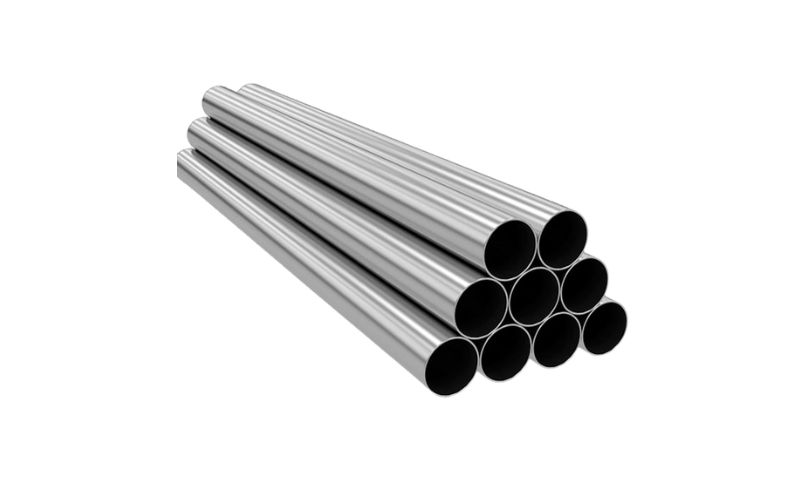
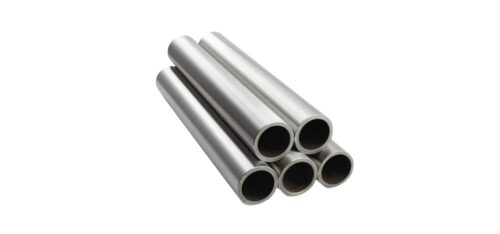
Inconel Pipes are designed to handle the case of industries that face extreme heat, heavy pressure and corrosive conditions as their day to day challenge. These pipes are also made using nickel-chromium superalloys which are very strong even when subjected to extremely high temperatures over extended periods of time. This alloy is unlike the conventional alloy materials, which weaken under thermal stress; it remains of structural integrity and is resistant to oxidation, scaling and even chemical attack.
Due to these attributes they find a lot of applications in oil refineries, offshore drilling stations, gas turbines, chemical processing devices, marine systems as well as aerospace devices. The piping of furnace lines and exhaust systems has to withstand a continuous change of temperature without being distorted. The material should be corrosive to acids and high pressure flow in chemical units. Nothing is optional when it comes to reliability of performance in such conditions; performance in these conditions is a matter of operational safety.
Nevertheless, planning projects cannot be done by technical performance only. The weight of the pipes is also of equal significance. Structural engineers have to calculate overall load on the racks of the pipes, procurement teams have to consider cost per kilogram, and lifting operations should be planned with the care of the installation teams. It is at this point that a standardized Inconel Pipes Weight Chart would be used as a tool of practical implementation.
Structural Load, Cost Impact and Planning Considerations
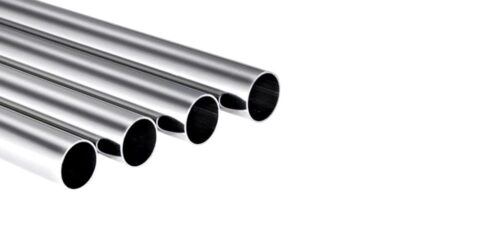
During massive industrial projects, hundreds of meters of piping is used at several levels. Wall thickness variations that are small can have a significant impact on the weight of the system. Proper weight information will guarantee that structural supports, anchors and pipe racks are properly designed to prevent the stress or sagging in the long run.
Weight calculation is also necessary in transportation planning. Given that this is a more costly material compared to the common alloys, freights are directly associated with the overall weight of shipment. With appropriate estimation, there is no congestion and unnecessary logistics costs are eliminated.
Another consideration is in terms of installation safety. Based on the weight of pipes, cranes and lifting equipment should be chosen. When the load is underestimated, there is a possibility that it may pose safety hazards when erecting. Proper weight reference facilitates the planning since the procurement through to commissioning and cost control during the project.
Inconel Pipes Weight Chart – Schedule 10
Schedule 10 pipes are typically used in moderate pressure systems where reduced wall thickness helps optimize weight without compromising corrosion resistance.
| NPS (Inch) | Outside Diameter (mm) | Wall Thickness (mm) | Weight (kg/m) |
| 1/2″ | 21.34 | 2.11 | 1.00 |
| 3/4″ | 26.67 | 2.11 | 1.28 |
| 1″ | 33.40 | 2.77 | 2.05 |
| 1 1/4″ | 42.16 | 2.77 | 2.65 |
| 1 1/2″ | 48.26 | 2.77 | 3.05 |
| 2″ | 60.33 | 2.77 | 3.85 |
| 2 1/2″ | 73.03 | 3.05 | 5.10 |
| 3″ | 88.90 | 3.05 | 6.25 |
| 4″ | 114.30 | 3.05 | 8.05 |
| 6″ | 168.28 | 3.40 | 13.10 |
| 8″ | 219.08 | 3.76 | 20.40 |
| 10″ | 273.05 | 4.19 | 27.60 |
| 12″ | 323.85 | 4.57 | 35.70 |
Technical Factors Influencing Schedule Selection
The choice of the appropriate schedule is a compromise between the performance needs and durability. The considerations that are important in decision making include the following:
- High-Temperature Systems Thermal Stability: Constant exposure to a high temperature in furnace lines, gas turbines, and heat exchangers may cause expansion stress. Where more mechanical strength is needed, the thinner wall schedules offer more deformation resistance and greater reliability of functioning during their operating period.
- Handling Capability of Pressure in Refining Unit: Internal pressure may also vary quite often in oil and chemical plants. The higher schedule pipes are more resistant to burst pressure and stress of fatigue making it safe during extensive working cycles.
- Corrosion Margin in Hostile Environment: Although the alloy has good corrosion resistance, the additional thickness of the wall is a safety margin to long-term exposure to chemicals. This enhances service life and minimum cases of unforeseen shutdowns.
- Lifecycle Cost Control and Maintenance Planning: The appropriate thickness is selected during the design stage which reduces the number of replacement later. Proper choice of schedule decreases the cost of maintenance and enhances the overall plant performance.
Inconel Pipes Weight Chart – Schedule 40
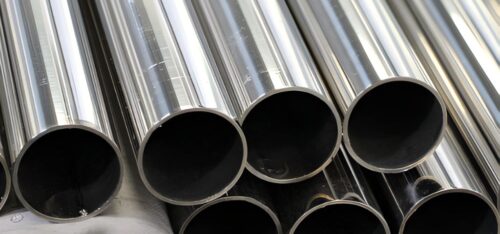
Schedule 40 is widely selected because it provides a strong balance between mechanical strength and economic feasibility in medium to high-pressure systems.
| NPS (Inch) | Outside Diameter (mm) | Wall Thickness (mm) | Weight (kg/m) |
| 1/2″ | 21.34 | 2.77 | 1.30 |
| 3/4″ | 26.67 | 2.87 | 1.75 |
| 1″ | 33.40 | 3.38 | 2.60 |
| 1 1/4″ | 42.16 | 3.56 | 3.50 |
| 1 1/2″ | 48.26 | 3.68 | 4.20 |
| 2″ | 60.33 | 3.91 | 5.60 |
| 2 1/2″ | 73.03 | 5.16 | 8.90 |
| 3″ | 88.90 | 5.49 | 11.70 |
| 4″ | 114.30 | 6.02 | 16.60 |
| 6″ | 168.28 | 7.11 | 29.20 |
| 8″ | 219.08 | 8.18 | 43.80 |
| 10″ | 273.05 | 9.27 | 62.10 |
| 12″ | 323.85 | 10.31 | 82.10 |
Inconel Pipes Weight Chart – Schedule 80
Schedule 80 pipes are used in high-pressure and critical service systems where maximum wall thickness and strength are required.
| NPS (Inch) | Outside Diameter (mm) | Wall Thickness (mm) | Weight (kg/m) |
| 1/2″ | 21.34 | 3.73 | 1.70 |
| 3/4″ | 26.67 | 3.91 | 2.30 |
| 1″ | 33.40 | 4.55 | 3.40 |
| 1 1/4″ | 42.16 | 4.85 | 4.70 |
| 1 1/2″ | 48.26 | 5.08 | 5.70 |
| 2″ | 60.33 | 5.54 | 7.90 |
| 2 1/2″ | 73.03 | 7.01 | 12.00 |
| 3″ | 88.90 | 7.62 | 16.10 |
| 4″ | 114.30 | 8.56 | 23.50 |
| 6″ | 168.28 | 10.97 | 44.80 |
| 8″ | 219.08 | 12.70 | 70.10 |
| 10″ | 273.05 | 15.09 | 106.50 |
| 12″ | 323.85 | 17.48 | 144.90 |
Conclusion
Safety, durability and operational efficiency of the material directly depend on how they are chosen correctly in high-temperature and high-pressure industrial settings. Other than the properties of alloys, the weight of the pipe should be known so that it can be used to design and plan the transportation as well as budget effectively.
Having standardized schedule-based weight charts would enable engineers and the procurement team to make informed decisions and carry out projects with confidence. The appropriate planning nowadays guarantees the stable execution and serviceability in harsh industrial environment.