

Spiral Wound Gasket with Outer Ring Weight Chart in mm & kg | PDF 2026
December 30, 2025
MS Sheet Weight Chart – Kg, mm & PDF (2026 Edition)
December 30, 2025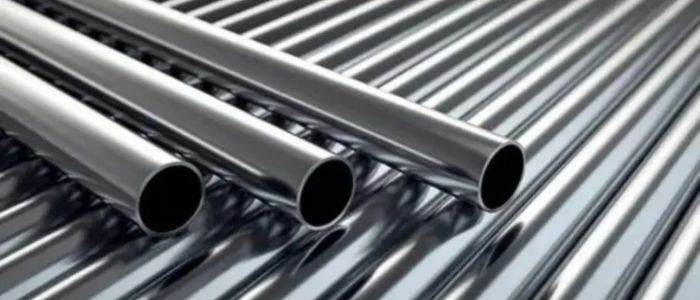
GI pipe manufacturers produce galvanized iron (GI) pipes in a wide range of sizes to meet various industrial, commercial, and construction requirements. The GI Pipes Weight Chart in KG, MM, and PDF format is an important reference tool for engineers, contractors, architects, and buyers. This chart helps in understanding pipe dimensions, thickness, and weight for accurate project planning. In addition to standard GI pipes, manufacturers also supply MS (Mild Steel) Pipes and ERW (Electric Resistance Welded) Pipes, which are widely used in temporary construction structures, scaffolding, and fabrication work. Knowing the exact pipe weight is essential for transportation planning, structural design, and cost estimation.
The GI pipes weight chart provides detailed information such as nominal bore size (NB), outer diameter (OD), wall thickness, and weight per meter in kilograms. GI pipes are categorized based on size and thickness to suit different applications. The galvanization process involves coating the steel with zinc, which slightly increases the pipe’s weight while offering excellent corrosion resistance and extended service life. Due to these properties, GI pipes are commonly used in water supply systems, plumbing lines, fire protection pipelines, fencing, and industrial applications.
Using a standardized GI pipe weight chart PDF ensures accurate material selection and compliance with engineering standards. It helps buyers compare different pipe sizes, reduce material wastage, and optimize inventory management. For residential projects, infrastructure development, and industrial installations, having precise GI, MS, and ERW pipe weight details improves efficiency, enhances safety, and supports long-term project durability.
GI Pipes weight chart, GI Pipes Per Foot weight, Weight Of GI Pipes Per Meter, GI Pipes Weight Chart in KG, MM, PDF, and GI Pipes Weight Chart Pdf
Weight Chart Tables
Chart 1: GI Pipes Weight Chart (Light to Medium Duty)
| Nominal Bore (mm) | Outer Diameter (mm) | Thickness (mm) | Weight per Meter (kg) | Weight per Foot (kg) |
| 15 | 21.3 | 2.0 | 0.85 | 0.26 |
| 20 | 26.9 | 2.0 | 1.10 | 0.34 |
| 25 | 33.7 | 2.3 | 1.70 | 0.52 |
| 32 | 42.4 | 2.3 | 2.15 | 0.66 |
| 40 | 48.3 | 2.6 | 2.80 | 0.85 |
| 50 | 60.3 | 2.9 | 4.10 | 1.25 |
Home plumbing, farm irrigation, and general water supply systems commonly utilize light and medium-duty GI pipes. The weight information is used in the calculation of load needs and transportation expenses of construction projects.
Chart 2: GI Pipes Grades and Standards
| Grade/Standard | Application | Coating Type | Zinc Coating (g/m²) | Tensile Strength (MPa) |
| IS 1239 Part 1 | Medium Duty | Hot-Dip Galvanized | 240-350 | 330-430 |
| IS 1239 Part 2 | Heavy Duty | Hot-Dip Galvanized | 350-450 | 410-510 |
| ASTM A53 | General Purpose | Galvanized | 200-300 | 330-455 |
| BS 1387 | Water/Gas | Hot-Dip Galvanized | 255-400 | 320-460 |
| EN 10255 | Threaded/Non-threaded | Galvanized | 200-350 | 330-430 |
Various grades guarantee quality assurance and suitability for a certain application requirement. The most popular standard in India to use in the GI pipes is IS 1239.
Chart 3: GI Pipes Technical Specifications (Heavy Duty)
| Nominal Bore (mm) | Outer Diameter (mm) | Thickness (mm) | Weight per Meter (kg) | Length (meters) |
| 15 | 21.3 | 3.2 | 1.35 | 6.0 |
| 20 | 26.9 | 3.2 | 1.80 | 6.0 |
| 25 | 33.7 | 4.0 | 2.90 | 6.0 |
| 32 | 42.4 | 4.0 | 3.80 | 6.0 |
| 40 | 48.3 | 4.0 | 4.50 | 6.0 |
| 50 | 60.3 | 4.5 | 6.40 | 6.0 |
GI Pipes Weight Chart provides detailed information about the pipe size, wall thickness, and weight per meter for different GI pipe types. These pipes are generally classified based on their nominal bore size (measured in millimeters or inches), outer diameter, wall thickness, and overall weight, helping users select the right pipe for specific applications.
The galvanization process involves coating the steel pipes with a protective zinc layer, which slightly increases their total weight. However, this coating significantly enhances the corrosion resistance, durability, and service life of the pipes. Due to these properties, GI pipes are widely used in water supply systems, plumbing networks, agricultural pipelines, and various industrial applications.
Additionally, referring to a GI pipe weight chart helps engineers, contractors, and buyers accurately calculate material requirements, transportation load, and structural support needs. Proper weight estimation ensures cost efficiency, safe installation, and long-term operational reliability, especially in large-scale construction and infrastructure projects.
For updates and additional information, follow on social media platforms.
Social Media: LinkedIn, Instagram, Facebook, Pinterest.