

Understanding Metal Grades: How to Match Supplier Specs with International Buyer Standards
January 28, 2026
5 Ways to Reduce Freight Costs for Small Metal Shipments in 2026
January 29, 2026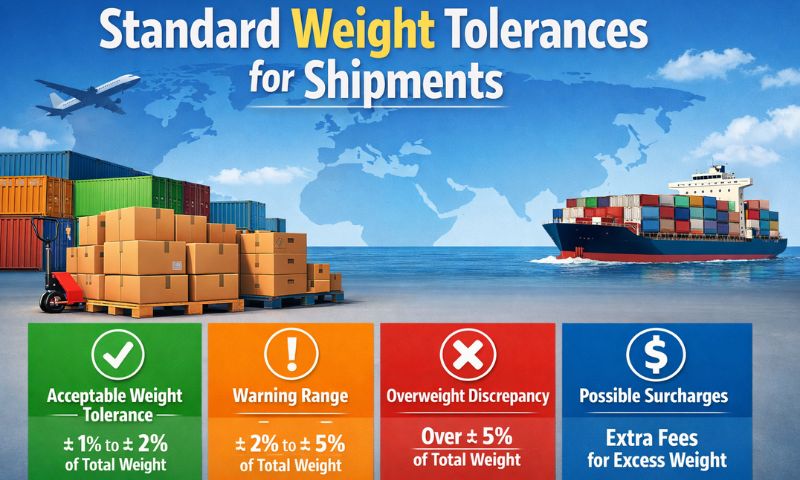
Shipment weight is very crucial in international and domestic trade. All buyers, sellers, shipping companies and custom authorities are dependent on the right Standard weight tolerances information. But in practice, in logistics the real mass of a shipment can have a minor discrepancy with the stated mass. This variation is referred to as weight tolerance. Knowledge of the common weight tolerances would assist companies to prevent conflicts, overcharges, and delays in delivery.
This blog describes the definition of tolerance of Standard weight tolerances, its significance, and the standard norms that are used in shipping.

What Are Weight Tolerances in Shipments?
Weight tolerance is the difference that is permitted between the declared and the actual weight of shipment. This minimal difference is tolerated since packaging, moisture, handling, and ways of measuring final weight can influence final Standard weight tolerances.
An illustration is when a shipment is reported as 1,000 kg, a tolerance can be reduced or increased a small percentage without any penalty. When the variation does not exceed the permitted level, then the shipment tends to be accepted without any extra cost.
Why Weight Tolerances Are Important
Weight tolerances protect both buyers and sellers. In the absence of tolerances, a minor change may result in disputes, re weighing or rejection of goods.
They also help shipping lines in planning the space they need to ship, and enable custom officials to deal with shipments more quickly. To exporters and importers, the knowledge of tolerance boundaries minimizes the possibility of incurring unexpected freight expenses or penalties.
Common Weight Tolerance Standards
There is no single global rule, but most shipping and trade practices follow similar tolerance ranges:
- Bulk cargo: ±2% to ±5% of declared weight
- Containerized cargo: ±1% to ±3%
- Manufactured goods and packed items: ±0.5% to ±2%
The exact tolerance depends on the type of goods, packing method, and contract terms.

Weight Tolerance in Container Shipments
In case of container shipments, shipping lines tend to tolerate a small margin due to the use of packaging material, pallets and an item securing in containers. But going over the limit of the weight which is prescribed is very dangerous.
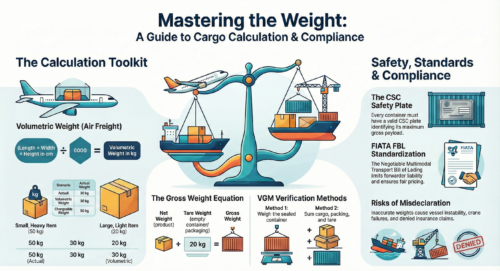
Overweight containers may be rejected at ports, fee levied or even held due to safety reasons. That is why the exporters should ensure that both the net weight and the gross weight are calculated before sending.
Impact of Weight Tolerance on Freight Charges
Freight charges are often calculated based on weight or volume.Shipping companies can change the freight cost in case the weight that is declared is less than the actual weight and it is more than the tolerated weight.
In air freight, weight tolerances are stricter because aircraft balance and fuel usage depend heavily on accurate weight. Even small differences can lead to higher charges.
Weight Tolerances and Customs Regulations
At the inspection, customs authorities check declared weight with that of measurement. When the difference is between the acceptable tolerance, a shipment goes through easily.
Bigger deviations though can be a cause of misdeclaration. It may lead to a fine, a reinspection or corrections on the documents leading to delays and additional expenses.
How Businesses Can Manage Weight Tolerances
To avoid problems related to weight tolerance, businesses should follow some best practices:
- Use certified weighing equipment
- Weigh goods after final packaging
- Clearly mention weight details in invoices and packing lists
- Understand tolerance limits mentioned in sales contracts
- Communicate clearly with freight forwarders
Accurate documentation helps maintain trust between trading partners and avoids unnecessary disputes.
Conclusion
Standard weight tolerances for shipments are a practical solution in the logistics industry. They recognize that small weight variations are unavoidable while ensuring fairness for all parties involved.
By understanding tolerance limits and maintaining accurate weight records, exporters and importers can reduce risks, control costs, and ensure smooth shipment movement. In today’s competitive trade environment, proper weight management is not just a requirement it is a smart business practice.
For updates and additional information, follow on social media platforms.